
Why AI Is No Longer Just an Analyzer
When I first dipped my toes into artificial intelligence, the conversation revolved around data pipelines, predictive models, and the cold efficiency of pattern detection; it felt like watching a machine count beans while the real magic of imagination stayed firmly human. Over the past few years, however, a new generation of generative models has slipped past the guardrails of pure number‑crunching and begun to whisper ideas, sketch concepts, and even suggest brand narratives that feel oddly familiar yet freshly unexpected. This shift from “AI as analyst” to “AI as co‑creator” is redefining how we approach product ideation, because the technology is no longer content to sit on the sidelines—it wants a seat at the brainstorming table, armed with a vocabulary of colors, textures, and metaphors that we never knew it could understand.
Generative Models as Creative Partners
Imagine a late‑night session where you’re stuck on a logo concept, and you fire a prompt into a text‑to‑image engine that returns ten distinct visual directions, each echoing a different cultural reference, mood, or typography style; suddenly the wall of creative blockage crumbles under a flood of possibilities you didn’t have the bandwidth to generate on your own. I’ve begun treating these models as “idea sparring partners,” where I pose a challenge—like “design a sustainable sneaker that feels like walking on clouds”—and then iterate on the output, tweaking language, adjusting parameters, and feeding the results back into the conversation until a viable prototype emerges. In practice, this dialogue feels less like commanding a tool and more like having a collaborative partner who never gets tired, never demands a coffee break, and can instantly synthesize trends from runway shows, tech patents, and street‑level aesthetics into a coherent visual language.
From Prompt to Prototype: A New Workflow
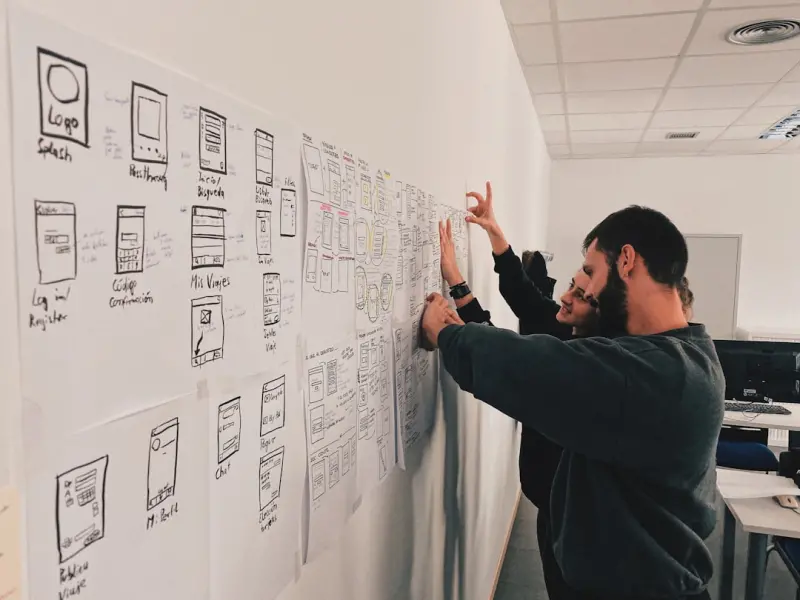
Integrating generative AI into a product development pipeline requires a disciplined approach to prompt engineering, rapid iteration, and cross‑functional communication; the first step is to translate vague business objectives into precise, evocative prompts that give the model enough context to produce useful outputs without overwhelming it with noise. Once the initial drafts appear, designers and marketers sift through the flood, cherry‑picking elements that resonate, then feed those selections back into the system for refinement—a loop that can shrink weeks of concept work into a handful of days. For teams looking to embed this rhythm without reinventing the wheel, resources like Why Progressive Web Apps Are the New Frontier for SEO offer a template for building lightweight, collaborative interfaces that keep the feedback cycle tight and the stakeholder inboxes clear.
Balancing Speed with Substance
While the velocity of AI‑generated ideas is intoxicating, the temptation to accept the first shiny concept can erode the depth of brand storytelling; the true power of these tools lies in their ability to surface a breadth of options that you then filter through a human lens of purpose, ethics, and audience empathy. In my experience, the most successful outcomes arise when teams set explicit criteria—such as sustainability metrics, cultural relevance, or accessibility standards—before the AI ever sees a prompt, ensuring that the flood of creativity is already aligned with strategic imperatives. Moreover, as we lean into these capabilities, we must stay vigilant about bias and over‑automation, topics explored in depth in The Ethical Edge: How Transparent AI and Human‑Centric Data Are Redefining Marketing, because unchecked algorithms can silently reinforce stereotypes or overlook underrepresented perspectives.
Getting Started Without Losing Your Soul
For marketers and product teams eager to dip a toe into AI‑augmented ideation, the best advice is to start small, pick a low‑stakes project, and treat the technology as an experiment rather than a mandate; set a clear success metric—like reducing concept generation time by 30%—and evaluate the results against both quantitative outcomes and the intangible sense of brand cohesion. It’s also crucial to preserve the human narrative thread: schedule regular “storytelling huddles” where the team reviews AI outputs, debates their relevance, and decides which ideas merit further development, thereby keeping the creative spirit alive and preventing the process from devolving into a purely algorithmic echo chamber. As you iterate, you’ll discover that the most compelling innovations are born at the intersection of machine‑driven breadth and human‑driven depth, a synergy that promises to reshape not just how we design products, but how we envision the future of collaborative creativity.

Shawn DesRochers is a certified Microsoft technician and Programmer with 30+ year's experience. He has written many reviews on computer related products, software, and SEO related topics. When he's not writing reviews he can be found at one of the Oldest Directories Online Business Directory USA which he is the CEO of.
Related Posts

How AI Can Make SaaS Development Greener
Artificial intelligence is now the catalyst for greener SaaS products, enabling real‑time carbon t... Read More
AI Co‑Pilot for Product Teams: Turning Data Overload into Actionable Insight
An AI co‑pilot acts as a strategic partner for product teams, surfacing the right insights at the ... Read More

Prompt Engineering: Turning Conversation into Competitive Advantage
Prompt engineering is evolving from a novelty to a core business capability. This article shows why ... Read More
Top Posts

SEO for SaaS Feature Pages: Turning Technical Detail into Traffic Gold
Feature pages are often overlooked in SEO strategies, but they hold massive potential for attracting qualified leads. This post walks you through intent‑first...Read More

Micro‑Movements: The Hidden Health Boost You’re Overlooking
Unlock the power of micro‑movements—simple, frequent motions that boost metabolism, improve mood, and keep you healthy all day long....Read More

Why Digital Twins Are the Next Frontier for SaaS Product Innovation
Digital twins are emerging as a powerful tool for SaaS companies, enabling real‑time simulation of user behavior, predictive insights, and faster iteration cy...Read More

AI‑Generated Content Audits: The New Engine Driving SEO Success
Learn why AI‑generated content audits are reshaping SEO, offering a hybrid workflow that blends machine intelligence with human expertise for superior search ...Read More
0 Comments
Post Comment
You will need to Login or Register to comment on this post!