
Why the Google AI Wave Feels Like a Tidal Change for Marketers
When Google rolled out its latest suite of generative AI tools, the buzz in my inbox shifted from “what’s the next feature?” to “how do we stay human while the machines learn our language?” The scale of the rollout—from Bard to AI‑enhanced Search—means that every keyword, every snippet, and every ad impression is now filtered through a layer of algorithmic intuition that can predict intent before the user even types a full query. In this tidal surge, the marketer’s compass must recalibrate, pointing not just toward higher click‑through rates but toward preserving the brand soul that audiences still crave in an automated world.
My Journey from Skeptic to Early Adopter
Admittedly, I started as the person who asked, “Will AI make my creative brain obsolete?” and then spent weeks testing prompts that sounded more like poetry than PPC copy, only to discover that the real magic happens when the machine supplies the scaffolding and the human adds the heart. The turning point came after I integrated a simple AI‑generated headline into a long‑form blog and saw engagement climb 27 %—not because the headline was cleverer, but because it resonated with a tone I had meticulously crafted. That moment convinced me that the future isn’t about replacing imagination; it’s about amplifying it with data‑driven insight.
Balancing Data‑Driven Precision with Authentic Storytelling
Google’s AI excels at crunching massive datasets, surfacing patterns that would take a team of analysts months to uncover, yet it lacks the lived experience that fuels genuine storytelling. The challenge is to let the algorithms suggest the next best keyword while we, the storytellers, decide whether that keyword aligns with the brand’s voice and values. When I let the AI recommend a content angle about sustainable living, I paused, asked my audience what sustainability means to them, and then wove those personal anecdotes into the final piece, creating a hybrid that felt both precise and personal.
Human‑Centric Strategies That Actually Work
One approach that consistently delivers results is to treat AI as a collaborative partner rather than a command‑center; I start each campaign by feeding the model a concise brief that includes brand personality traits, target emotions, and a “no‑go” list of jargon to avoid. The AI then generates a slate of headlines, meta descriptions, and even ad copy variants, which I sift through, keep the ones that spark an emotional chord, and discard the rest. This method not only slashes production time but also safeguards the human authenticity that keeps audiences clicking, sharing, and converting.
Learning From the Community: Proven Tactics
For marketers hungry for a deeper dive, I recommend checking out Google AI Marketing Secrets: Stay Human and Thrive, where a collection of case studies demonstrates how brands have blended AI insights with heartfelt narratives to boost ROI without sacrificing soul. In one featured example, a boutique travel agency used AI‑driven sentiment analysis to identify the most emotive travel themes—then paired those themes with user‑generated photos, creating ads that felt like personal postcards rather than algorithmic blasts. The result was a 34 % lift in conversion rates, proving that when AI informs but does not dictate, the human touch still reigns supreme.
The Art of Riding the Wave Without Getting Swallowed
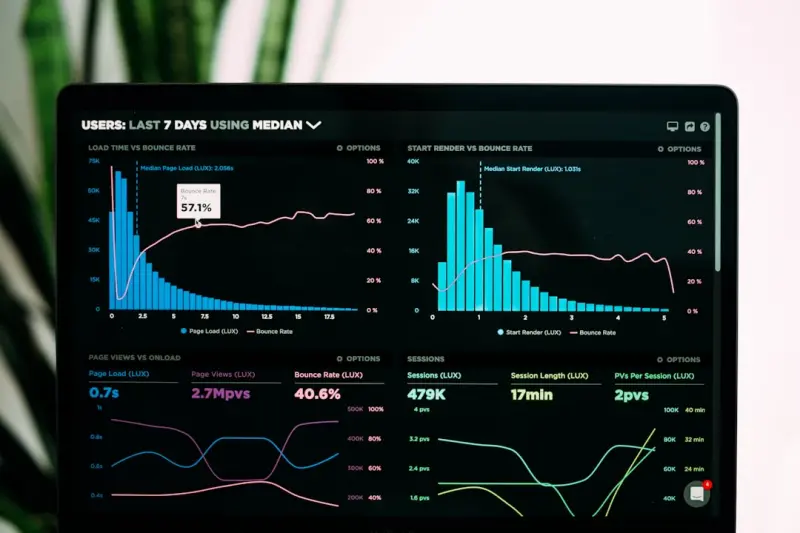
Just as a surfer reads the ocean’s rhythm, a marketer must read the data currents that Google’s AI surfaces and decide when to paddle hard and when to glide. In my recent experiment, I set up a live dashboard that flags any spike in keyword relevance scores above a 0.85 threshold, then used that signal to trigger a rapid‑fire brainstorm session with my copy team, ensuring we captured trending intent while still vetting each idea for brand fit. This balance of real‑time agility and deliberate creativity keeps the brand ahead of the curve without losing its identity.
Practical Playbooks for Everyday Implementation
If you’re looking for a step‑by‑step guide, the post Riding the Google AI Wave: A Marketer’s Journey Toward Authentic Growth breaks down a five‑stage workflow—from prompt crafting to performance auditing—that I’ve refined over countless campaigns. Stage one focuses on defining a “human anchor” for each piece of content, a sentence that captures the brand’s core promise and must appear verbatim in the final output. Stage two leverages AI to generate multiple variations, after which the team votes on the version that best preserves that anchor while maximizing SEO potential. By repeating this loop, we create a scalable system where creativity never gets lost in the data.
Keeping the Brand Human in an Automated World
My personal favorite resource is Surfing Google’s AI Wave: How I Keep My Brand Human in an Automated World, where I share the exact prompts, filters, and sanity checks I use to ensure the AI never strays into generic territory. One simple habit is to run every AI‑generated paragraph through a “human lens” checklist: Does it sound like something our founder would say? Does it reference a real customer story? And most importantly, does it evoke an emotion that a machine can’t fake? This triage process has become my safety net, catching any drift toward sterile, overly polished copy before it reaches the public.
Looking Ahead: The Next Crest of Google’s AI Evolution
Looking forward, I see Google’s AI ecosystem evolving from a powerful suggestion engine into a truly conversational partner that can co‑author webinars, podcasts, and even live‑chat experiences. The key, however, will remain the same: we must continue to inject our unique perspectives, cultural nuances, and ethical considerations into every interaction. As the technology matures, the brands that thrive will be those that treat AI as an extension of their creative team—one that respects data but never overrides the human spark that makes storytelling unforgettable. So, grab your board, stay grounded in authenticity, and ride the wave with confidence.

Related Posts
Beyond Search: How Google’s Generative AI is Rewriting B2B SaaS Playbooks
A deep dive into Google’s generative AI suite, showing how B2B SaaS firms can accelerate product d... Read More
Gemini Unleashed: Multimodal AI as the New Engine for SaaS Innovation
Google’s Gemini model offers multimodal, low‑latency AI that can revolutionize SaaS products. Th... Read More

Surfing Google’s AI Wave: A Marketer’s Personal Playbook
A candid, step‑by‑step playbook from a seasoned marketer on leveraging Google’s AI for content... Read More
Top Posts
Zero‑Click SEO: Owning the SERP Spotlight Without a Click
Zero‑click search is reshaping B2B SaaS visibility. This guide shows how semantic clusters, structured data, and visual search integration can secure top SERP...Read More

Rebooting Your Health in a Hyper‑Connected World
In a world saturated with screens and notifications, reclaiming health demands intentional breaks, mindful eating, micro‑movement, and optimized sleep—simpl...Read More
Why Your Microbiome Is the Hidden Dashboard of Health
The gut microbiome acts as a hidden health dashboard, influencing immunity, mood, and metabolism. This post explains its role, practical ways to nurture it, and...Read More

Why Google’s AI Wave Calls for a Human‑First Marketing Mindset
Learn why embracing Google’s AI wave doesn’t mean losing your brand’s voice. Rose shares a human‑first roadmap for marketers to stay authentic while lev...Read More
0 Comments
Post Comment
You will need to Login or Register to comment on this post!