
Why 2026 Is the Year Google Redefines the Playground
When I first logged into my Google account this spring, the familiar search bar felt less like a static gateway and more like a living conversation partner, whispering insights that seemed to anticipate my next question before I even typed it, and that subtle shift is the pulse of the AI‑first era that’s reshaping every marketer’s playbook; the algorithms that once prioritized exact match keywords now reward contextual relevance and nuanced intent, meaning that the old rulebook of stuffing meta tags is being replaced by a demand for authentic, purpose‑driven storytelling that aligns with the user’s mental model, and that transformation is happening in real time across Search, YouTube, Maps, and the newly integrated Gemini suite; as someone who has been chasing Google updates since the “Panda” days, I can tell you that the speed and breadth of change in 2026 feels like moving from a sedan to a jet, and if you’re not buckling in, you’ll be left watching the runway from the terminal.
The AI‑Infused SERP: More Than a List of Links
Imagine opening Google and being greeted not by a bland list of blue links, but by a dynamic collage of AI‑generated snippets, visual summaries, and interactive widgets that synthesize data from across the web into a single, digestible narrative; this is the new SERP, where a single query can summon a “knowledge carousel” that pulls in product reviews, price comparisons, and even real‑time sentiment analysis, all curated by Gemini’s deep‑learning models, and because these widgets are personalized to each user’s browsing history, location, and even current mood, the traditional notion of “ranking” is evolving into a multi‑dimensional relevance score that balances relevance, authority, and experiential fit; for marketers, this means that the old obsession with #1 rankings is giving way to a strategy that focuses on becoming the most useful piece of the puzzle that Google’s AI is eager to surface, and that shift demands a new kind of content architecture built around modular, data‑rich blocks.
From Keyword Obsession to Intent Mastery
In the past, we chased exact match keywords like hunters tracking a scent, but today Google’s AI interprets the subtle layers of human intent, reading between the lines of a query to surface answers that feel almost psychic; this leap is powered by Gemini’s ability to parse not just the words you type, but the context behind them—whether you’re looking for a quick recipe, a deep‑dive research paper, or a local service provider—and the result is a search experience that feels tailor‑made, which forces marketers to pivot from “keyword stuffing” to “intent fulfillment” as the core of their optimization strategy; the practical upshot is that we must now map out the entire user journey, identify the micro‑moments where our brand can insert value, and craft content that answers those micro‑questions before the user even knows they have them, turning the SERP from a competitive battleground into a collaborative stage.
Riding the Wave: Insider Tactics That Actually Work
One of the most powerful ways to stay ahead is to learn from the playbooks that have already weathered the AI storm, and I found a treasure trove of actionable insights in Riding the 2026 Google AI Wave: Insider Strategies for Marketers, where seasoned pros break down how to structure content for AI snippets, leverage structured data without over‑engineering, and use real‑time performance dashboards to iterate at the speed of the algorithm; the article emphasizes three non‑negotiable tactics: first, embed comprehensive schema markup that feeds Gemini’s knowledge graph; second, develop “micro‑content” clusters—short, focused pieces that answer specific intent signals and can be stitched together by the AI into a larger narrative; third, adopt a test‑and‑learn mindset where you treat every AI‑driven SERP feature as an experiment, measuring lift not just in clicks but in dwell time and downstream conversions, because the new success metrics are far more nuanced than the old click‑through rate.
Privacy, Personalization, and the New Trust Equation
While AI is delivering unprecedented personalization, it’s also raising the stakes for privacy compliance, and Google’s 2026 policies now require marketers to be transparent about data usage, secure user consent, and provide clear opt‑out mechanisms, which means that every piece of personalized content must be backed by a robust consent framework that satisfies both GDPR‑style regulations and Google’s own Trust & Safety guidelines; this dual focus on personalization and privacy creates a paradox where the more data you have, the more responsibly you must handle it, and the solution lies in building “privacy‑first” data pipelines that anonymize user signals before feeding them into AI models, thereby preserving the relevance of your content without compromising trust; in practice, this translates to adopting privacy‑enhancing technologies like differential privacy, using consent‑driven data layers, and regularly auditing your AI‑generated outputs for bias or unintended disclosures, all of which become essential components of a sustainable Google strategy.
Content Creation in the Age of Gemini
Creating content today feels like co‑authoring with an intelligent partner, and the best results come when you treat Gemini as an augmentation tool rather than a replacement, using it to generate outlines, suggest semantic variations, and even draft initial copy that you then refine with your brand’s voice and nuance; a practical workflow I’ve adopted involves starting with a “prompt library” that captures high‑performing query intents, feeding those prompts into Gemini to generate a first draft, then applying a human‑centric editing pass that injects storytelling, emotional triggers, and brand personality, ensuring the final piece resonates with real readers while satisfying the AI’s preference for structured, fact‑checked information; to illustrate, here’s a quick checklist you can embed in your editorial process:
- Identify the core user intent and map it to a content cluster.
- Generate a detailed outline with AI, focusing on headings that reflect likely SERP features.
- Write the first draft using AI‑suggested language, then edit for tone and authenticity.
- Insert schema markup and structured data to signal relevance to Gemini.
- Run a bias and fact‑check audit before publishing.
Measuring Success When AI Drives the Narrative
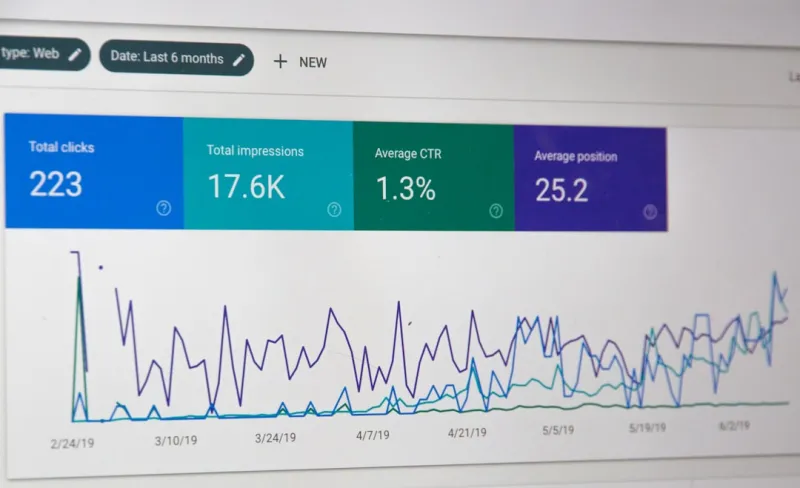
The metrics that mattered a decade ago—organic traffic, keyword rankings, and bounce rate—are still useful, but they no longer paint the full picture of performance in a world where AI decides what users see first, and the new KPI suite includes AI‑visibility score, snippet engagement rate, and cross‑channel AI attribution, which collectively measure how often your content is selected by Gemini to populate rich answers, how long users stay engaged with those AI‑enhanced snippets, and how those interactions funnel into downstream actions like newsletter sign‑ups or purchases; to capture these insights, I rely on a combination of Google Search Console’s new “AI Features” report, custom dashboards that pull in Core Web Vitals, and a layered attribution model that assigns credit to AI‑driven touchpoints, allowing you to see the true ROI of your AI‑optimized assets and adjust budgets accordingly; remember, the goal isn’t just to rank higher, but to become the most trusted source that Google’s AI is eager to showcase across every surface.
Looking Ahead: How to Future‑Proof Your Google Strategy
As we stand on the cusp of what many are calling the “Google Renaissance,” the smartest marketers will treat AI as a perpetual beta, continuously experimenting with new prompt techniques, content formats, and user experience tweaks, while also building a resilient brand foundation that can weather algorithmic shifts, and the best way to do that is to embed a culture of curiosity, data‑driven decision making, and cross‑functional collaboration that brings together SEO, content, product, and engineering teams under a shared vision of AI‑enhanced relevance; I also recommend keeping a close eye on the insights shared in Google’s 2026 AI Revolution: What Marketers Must Seize Now, which outlines emerging opportunities like multimodal search, voice‑first experiences, and real‑time personalization that will define the next wave of competition; by staying adaptable, investing in ethical AI practices, and consistently delivering value that aligns with user intent, you’ll not only survive the AI onslaught but thrive as a trusted voice in Google’s ever‑evolving ecosystem.

Related Posts

Google’s AI Wave: Rose DesRochers’ Insider Take on the 2024 Revolution
Rose DesRochers breaks down Google’s 2024 AI transformation, revealing how new models, privacy cha... Read More

Riding Google’s AI Wave: A Marketer’s Personal Playbook for Staying Human
A marketer’s guide to navigating Google’s AI evolution without losing brand humanity. Learn prac... Read More

Unlocking the Power of Google’s Generative Workspace for B2B Teams
Google’s new generative AI features in Workspace are reshaping B2B SaaS operations, delivering fas... Read More
Top Posts

Transform Your Home Into a Dynamic Living Lab
Learn how simple lighting, acoustic tweaks, and multi‑task furniture can turn ordinary rooms into adaptable, inviting spaces that evolve with your lifestyle....Read More

Riding the Google AI Wave: A Human‑First Marketer’s Playbook
A human‑first approach to Google’s AI wave unlocks authentic storytelling, higher rankings, and deeper customer connections....Read More

Seasonal Home Refresh: Simple Swaps to Keep Your Space Fresh All Year
A practical guide to refreshing your home each season using budget‑friendly textile swaps, smart‑home tech, and eco‑friendly touches, ensuring a vibrant a...Read More

Ambient Computing: The Quiet Revolution Redefining Enterprise Workflows
Ambient computing blends sensors, AI, and context‑aware services to make technology a seamless background partner. This post outlines its core components, rea...Read More
0 Comments
Post Comment
You will need to Login or Register to comment on this post!